EU AI Act in Industry: Compliance Without Costly Rework
Learn why compliance by design is critical in industry: local AI creates verifiable evidence, clear accountability, and lower regulatory risk.
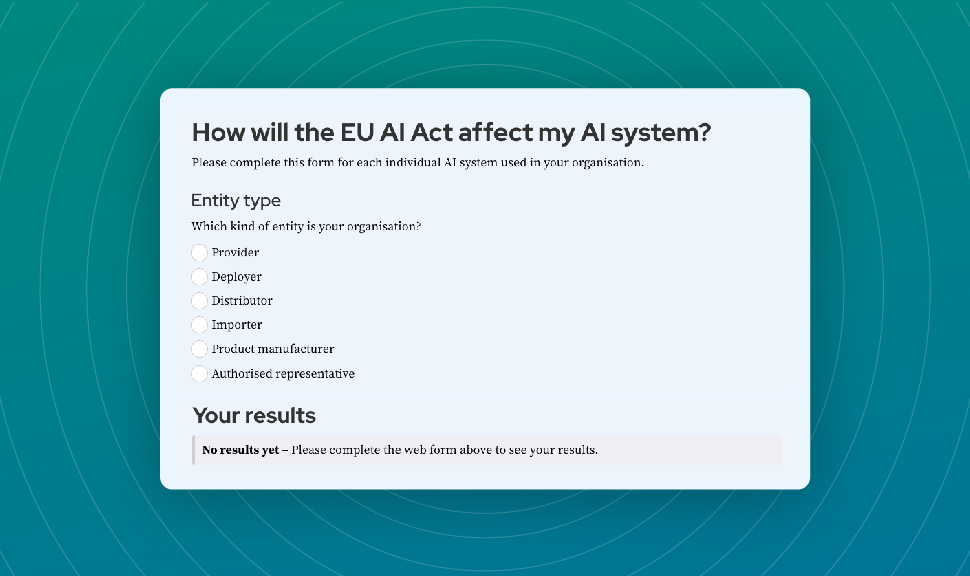
The EU AI Act classifies AI systems by risk level – with specific obligations for documentation, transparency, and human oversight. For manufacturing companies, this means: anyone using AI in critical processes must be able to demonstrate without gaps which model made which decision, when, and with which data. With cloud services, this evidence sits with the vendor – and therefore outside your control.
Three requirements where on-premise is structurally stronger
- Complete audit trails: Model versions, inference logs, and data access records are available locally – retrievable at any time, with no dependence on the vendor.
- Risk classification from day 1: OPAIRS helps you assign use cases to criticality levels right when you build them – not retroactively in the compliance review.
- Accountability in-house: Business units, IT, and management share access to the same data foundation – governance becomes controllable, not delegable.
Compliance by design – not by audit
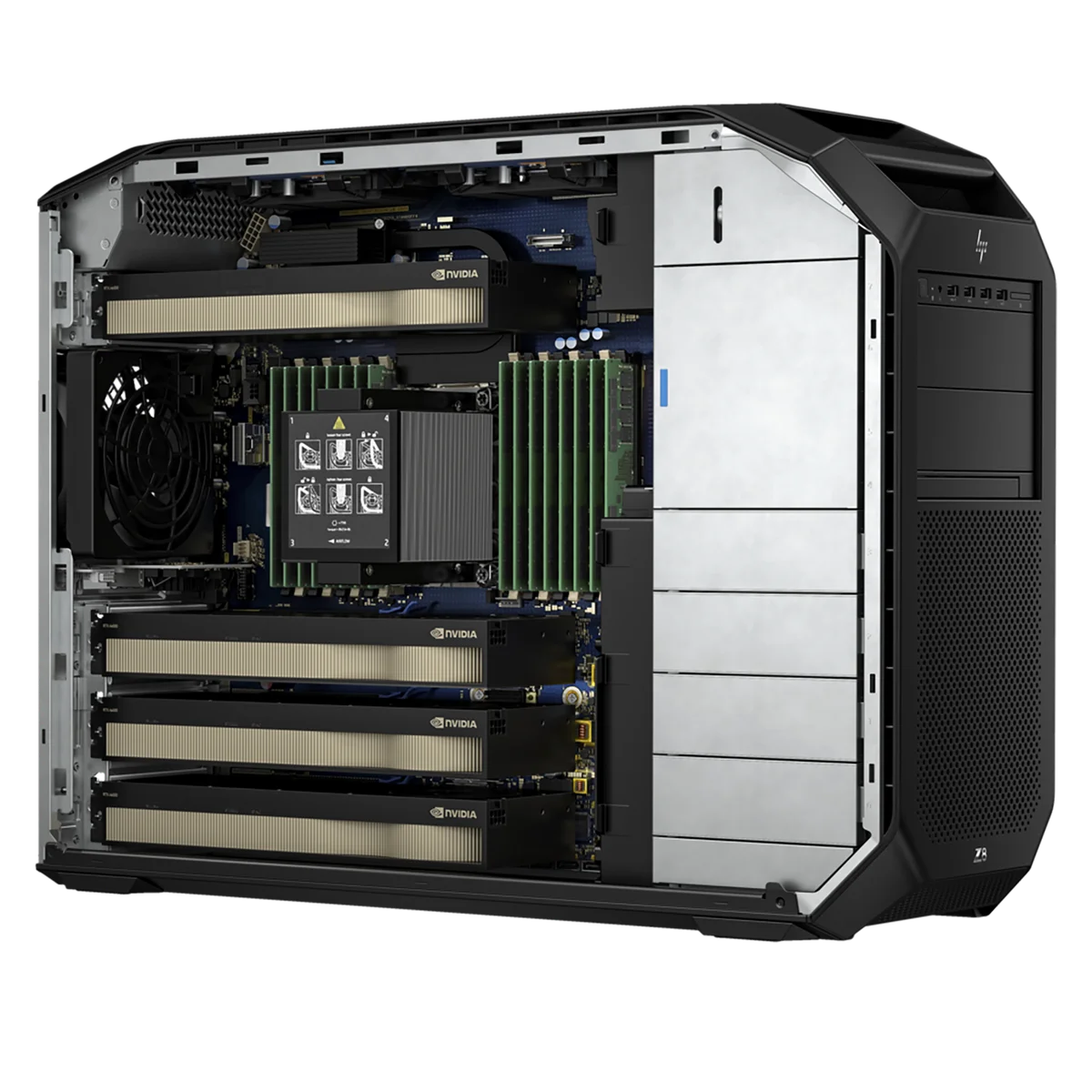
OPAIRS is designed for EU AI Act conformity from the start: every component – from the data lake to SLM inference – runs locally, documented, and under the full control of the company. No data leaves the premises. No certificates have to be requested from a vendor.
One dashboard for risk, model, and approval
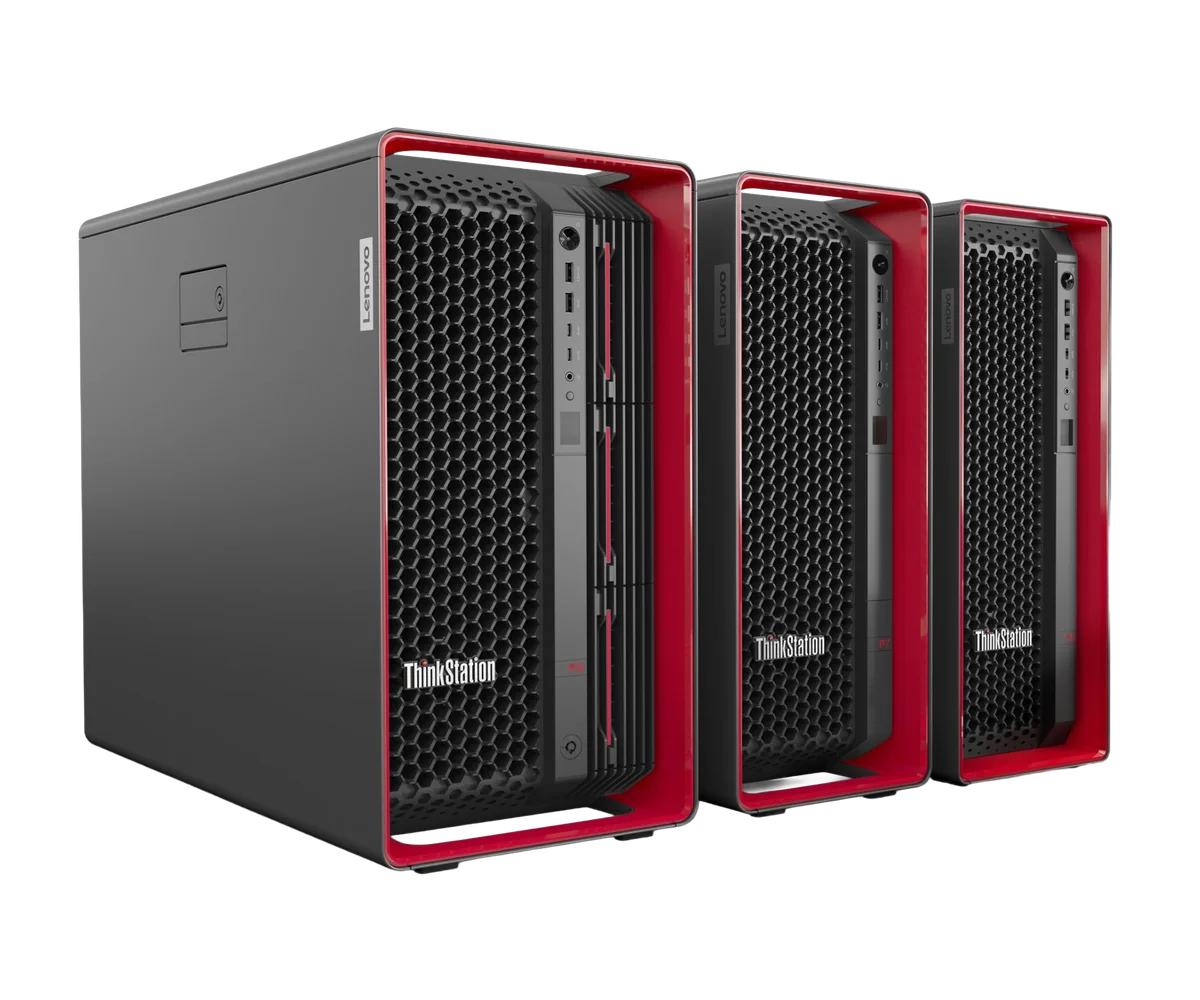
The OPAIRS system integrates BI visualization and governance monitoring in a single interface. Production managers, IT, and executive management see the same status – without file ping-pong, without manual reporting loops. This measurably shortens approval processes.
Companies that anchor governance directly in the system architecture spare themselves costly rework. And they build trust internally and externally – the most important asset for any AI initiative.
More insights
OPAIRS SQL Agent: Comparing Six LoRA Adapters for Industrial Databases
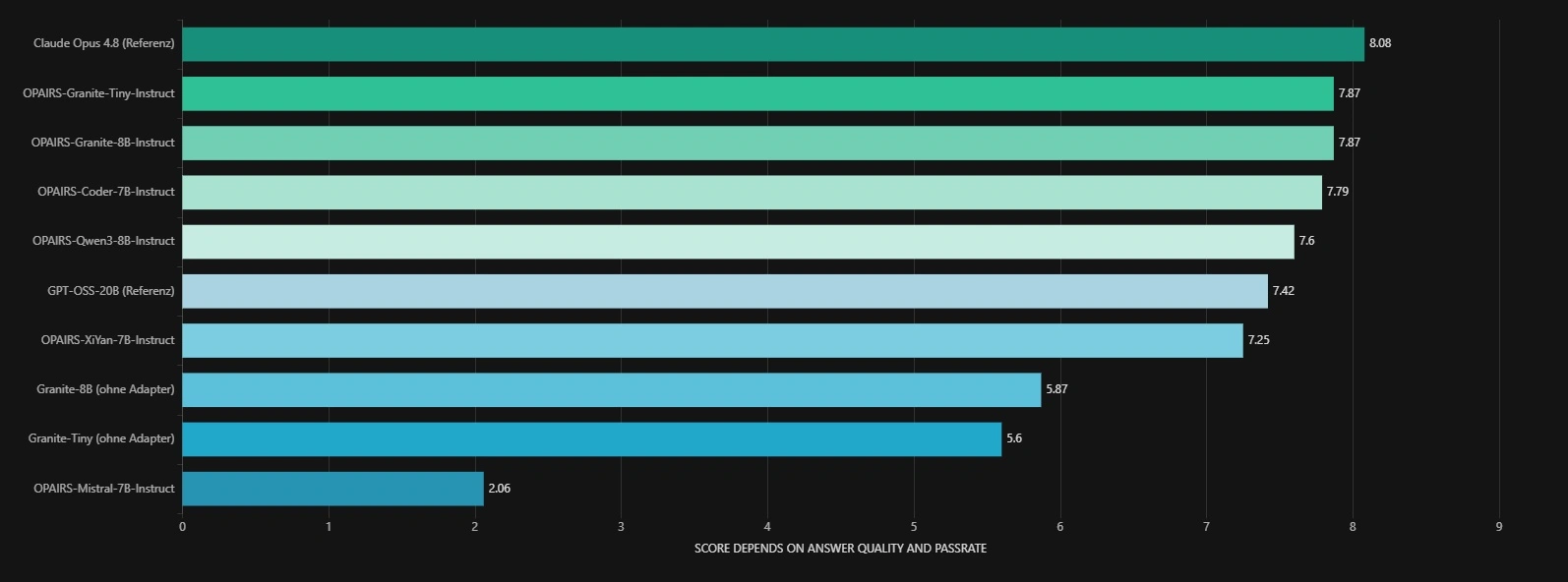
Six LoRA adapters, a 26-question catalog spanning PostgreSQL, T-SQL and Apache Iceberg databases, two external reference models: OPAIRS has systematically evaluated its SQL agent. Two Granite adapters lead the field. For production use, however, the deciding factors are not only answer quality but also speed, memory footprint, concurrency and the available context from ERP, MES, PLM and other industrial systems.
Read article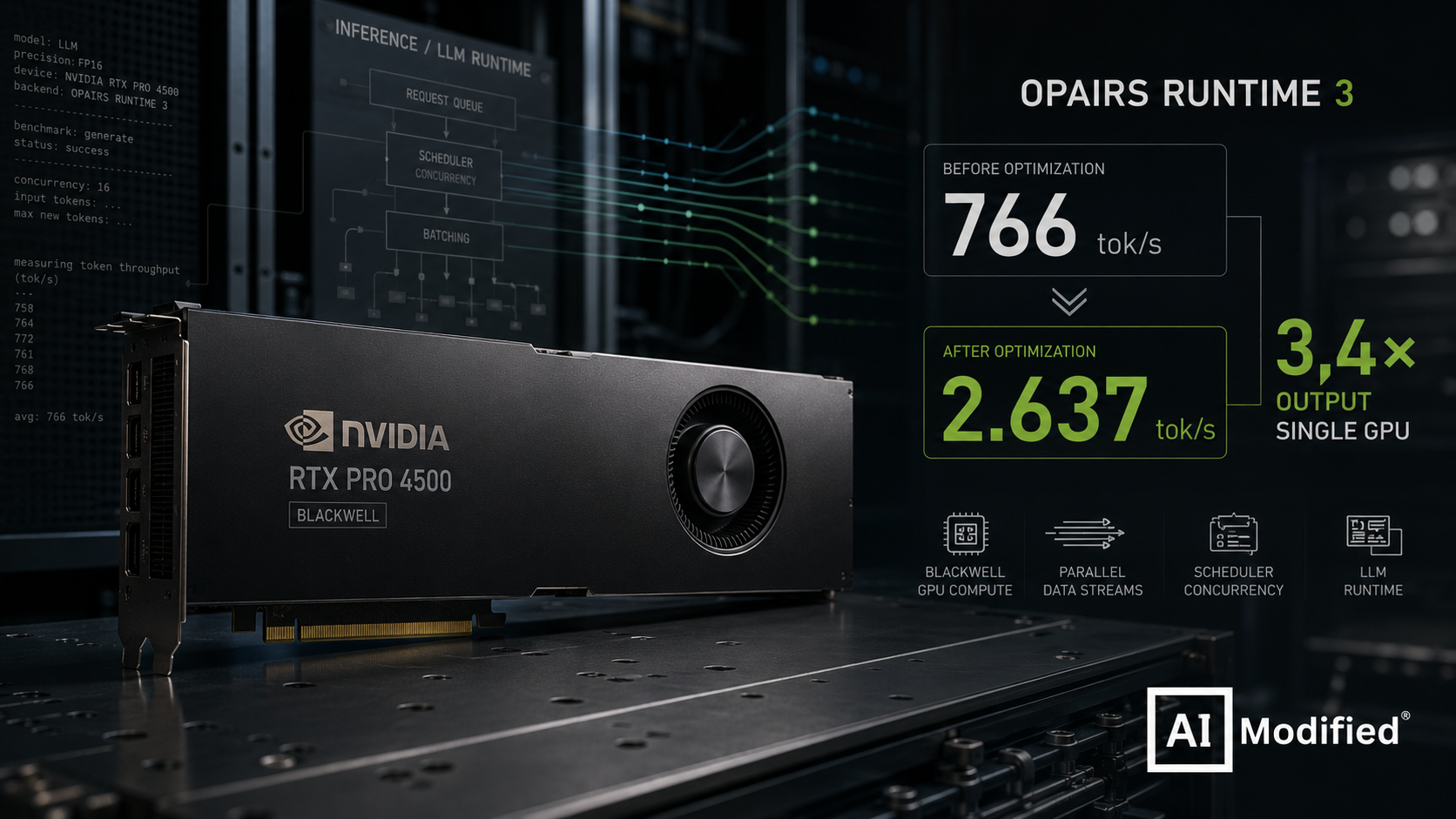
RTX PRO 4500 Blackwell: 3.4x LLM Throughput Through Runtime Optimization
Same GPU, same main model, up to 3.4x the output: OPAIRS Runtime 3 raises the throughput of GPT-OSS-20B on the RTX PRO 4500 Blackwell to up to 2,637 tokens/s. At the same time, the tests show why Qwen3.8-27B will not take over the production stack for now.
Read article